Long-form notes on paleography
Practical, unhurried writing on how to read the earliest Chinese scripts — one graph, one bone, one inscription at a time.
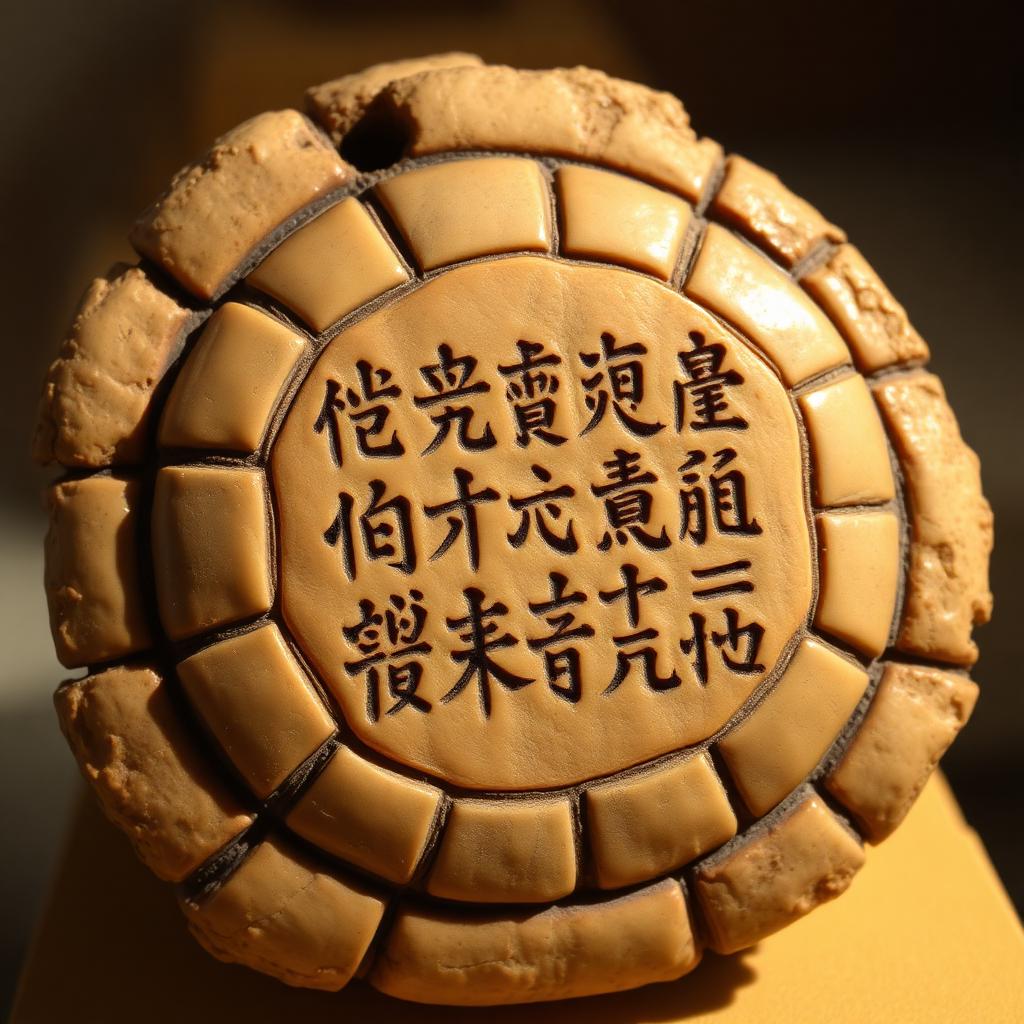
Reading Oracle Bones: A Beginner's Map to Jiaguwen
The Shang diviners left the earliest coherent Chinese writing on turtle plastrons and ox scapulae. Here is how to start reading them without a graduate degree.
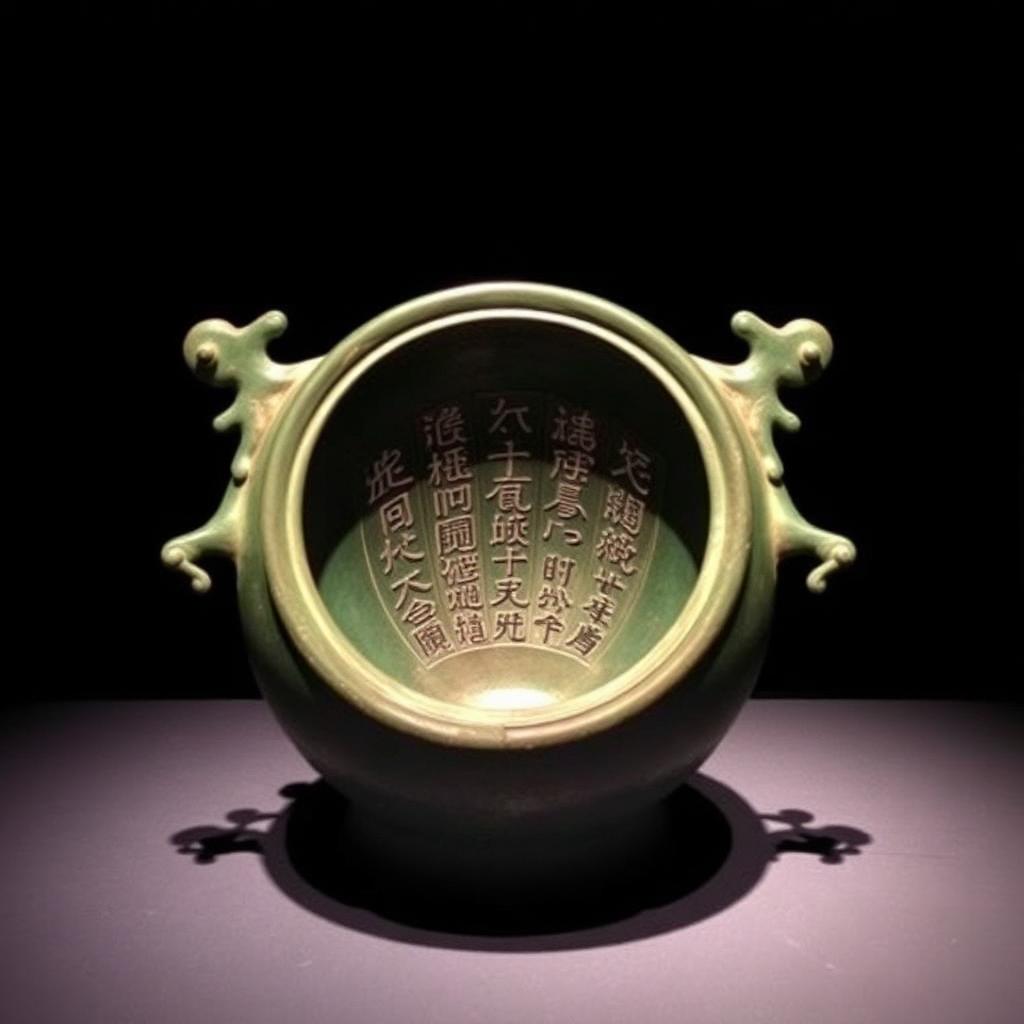
Deciphering Bronze Inscriptions: From Casting Pit to Reading Room
Bronze inscriptions are the longest and most literary texts of the early Chinese record. Casting technique, layout and formulaic language all shape how we read them.
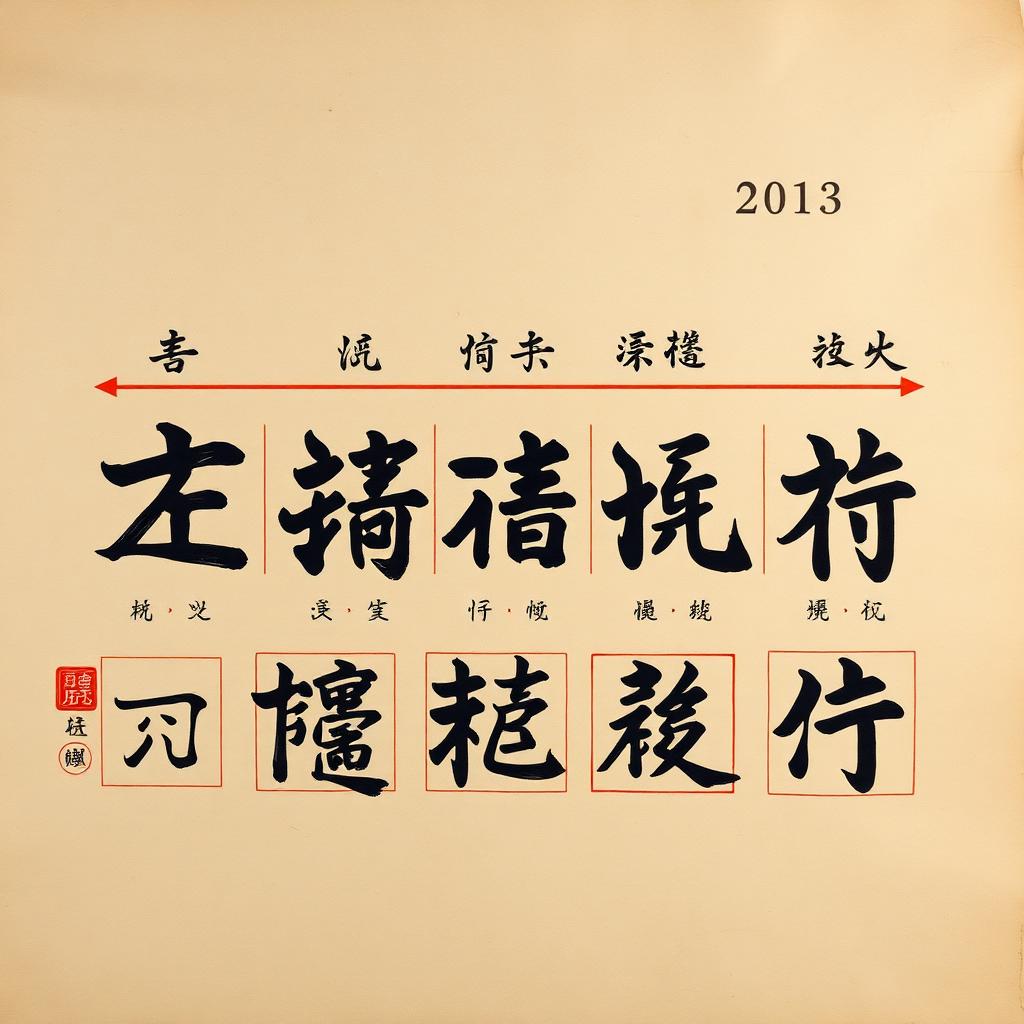
The Evolution of a Chinese Character in Five Stages
Every modern Chinese character has a family history running through oracle bone, bronze, seal, clerical and regular script. Following one graph across the five stages is the fastest way to learn how the system actually works.
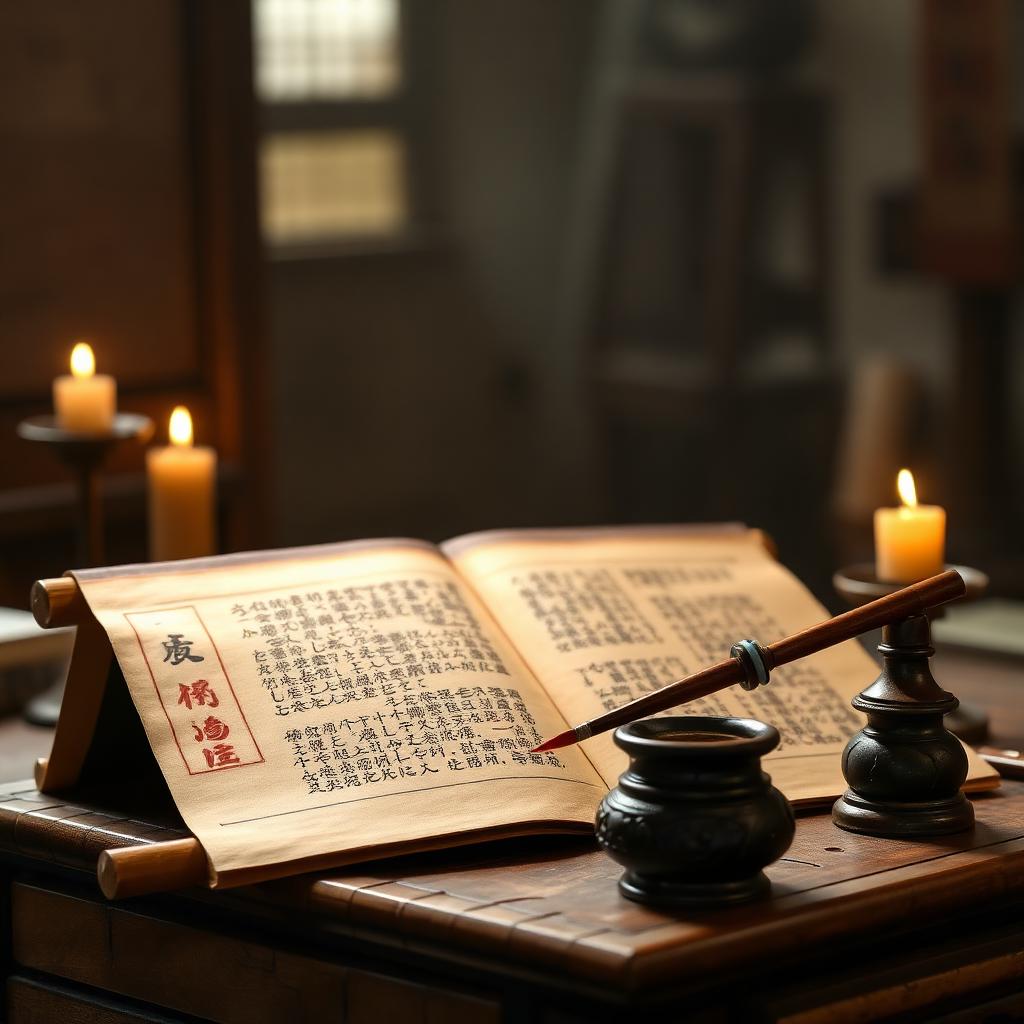
Punctuating a Classical Chinese Text: A Practical Method
Classical Chinese was written without punctuation. Restoring commas and stops to an unbroken text is a distinct scholarly skill — and the entry gate to reading pre-modern prose.
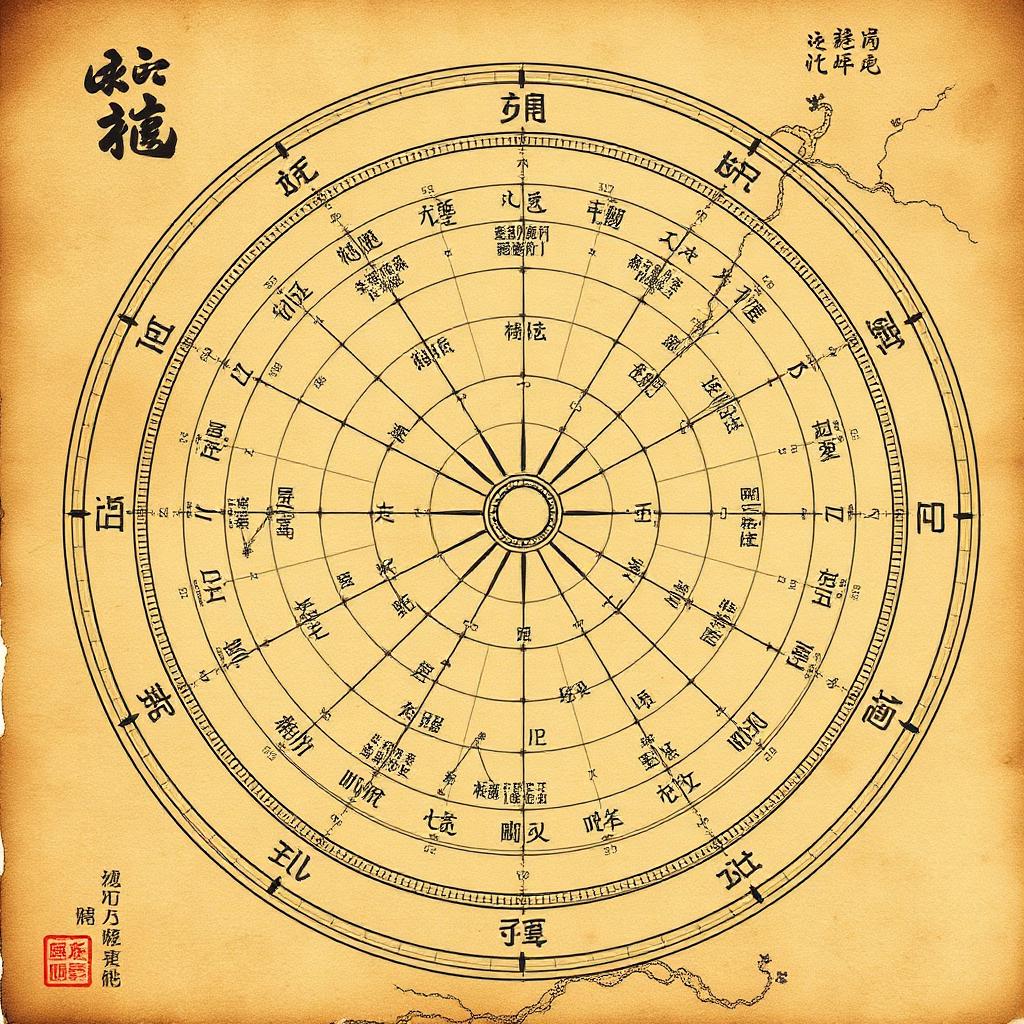
Understanding the Ganzhi Calendar: How the Chinese Dated Everything
The sixty-cycle of stems and branches is the backbone of every pre-modern Chinese date. Learning how it works turns opaque chronologies into readable timelines.
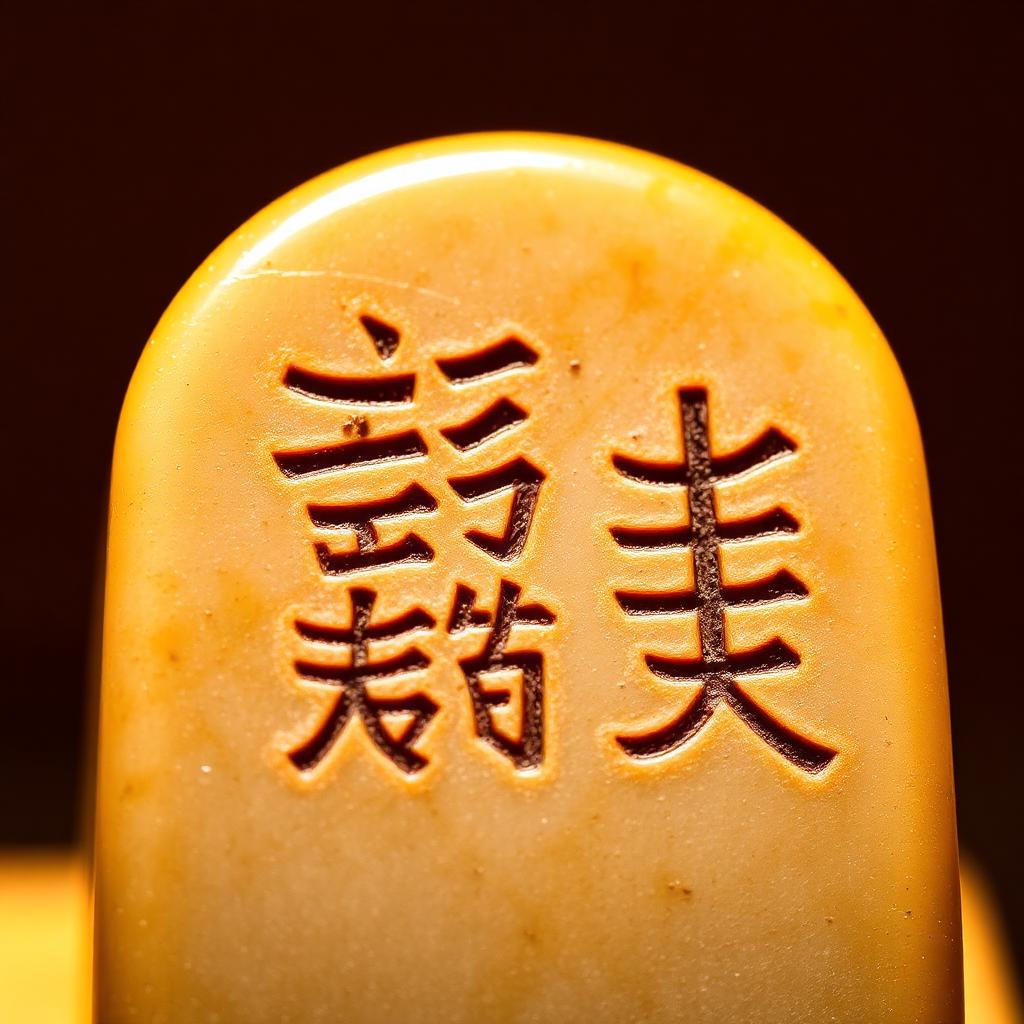
Reading Small Seal Script: A First Pass at Xiaozhuan
The Qin small seal is the pivot on which the entire Chinese writing system turns. Learning to read it repays every hour spent, because it unlocks both the earlier and the later scripts.
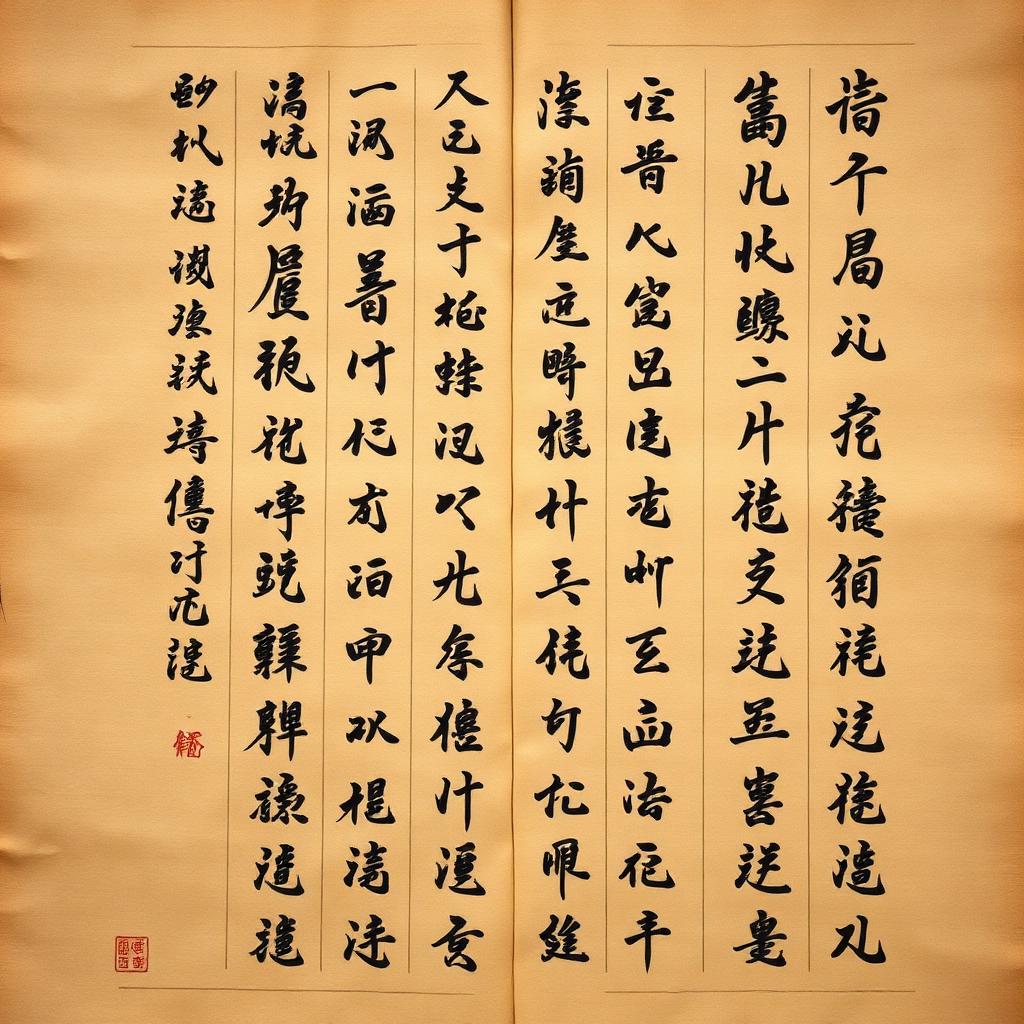
Clerical Script and the Han Revolution in Writing
Clerical script (隸書) is the moment the Chinese writing system became recognisably modern. Understanding its rise clarifies almost every graph you read today.
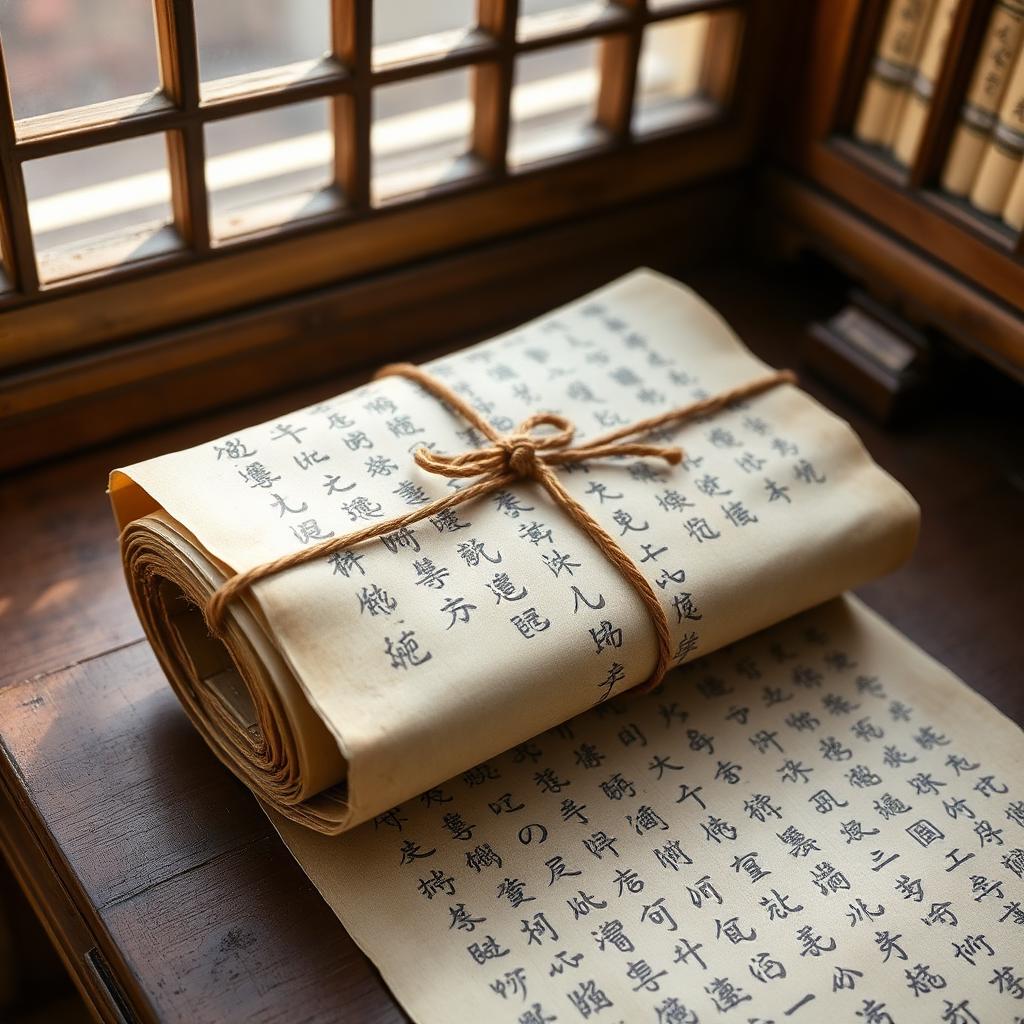
Warring States Bamboo Slips: When Chinese Manuscripts Were Written on Sticks
Before paper, Chinese texts were bundled columns of bamboo strips tied together with cord. Learning how they were physically made changes how you read what they say.
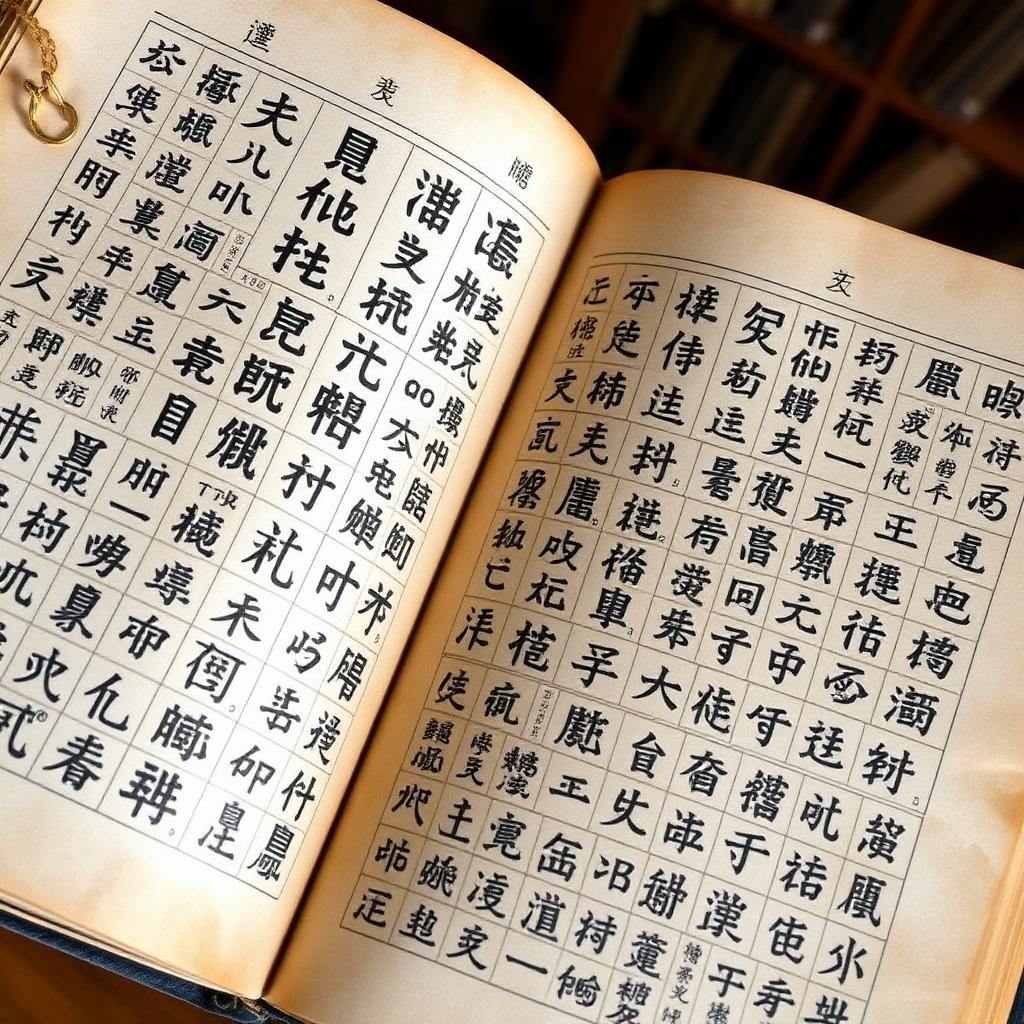
How the 214 Kangxi Radicals Were Chosen — and Why It Matters
The 214-radical system that organises every modern Chinese dictionary is a specific, dateable editorial decision. Knowing how it was made helps you use dictionaries more efficiently.
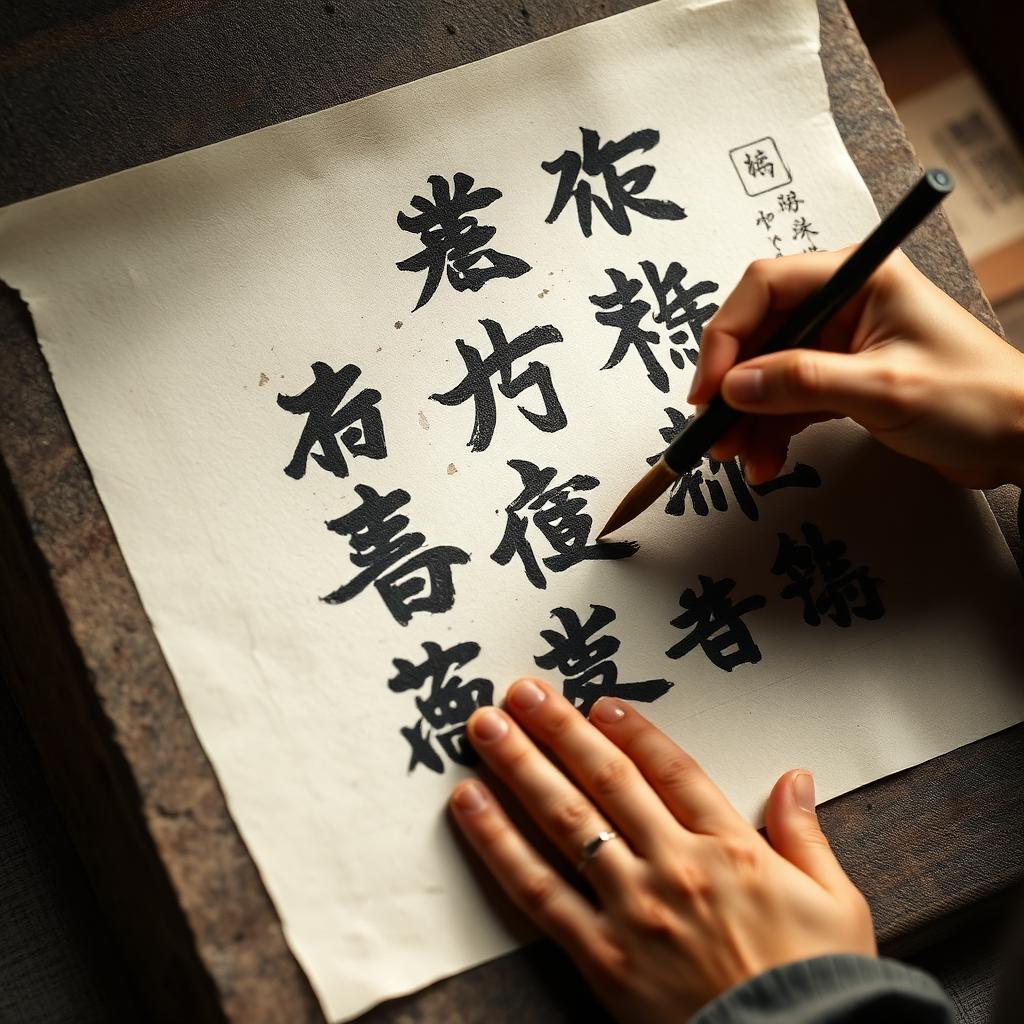
Rubbings as Reproduction: A Short History of the Chinese Squeeze
Long before photography, the Chinese ink rubbing (拓本) was the medium that let scholars share stone inscriptions across the empire. It still shapes how we see paleography today.